Agartala, November 26: The stage is set for the first public rally of the One North East platform, with prominent political leaders from across the region arriving in Agartala on Wednesday. The mega event, scheduled to be held at the Astabal Ground, aims to unify indigenous and regional leadership under a common socio-political agenda for the Northeast.
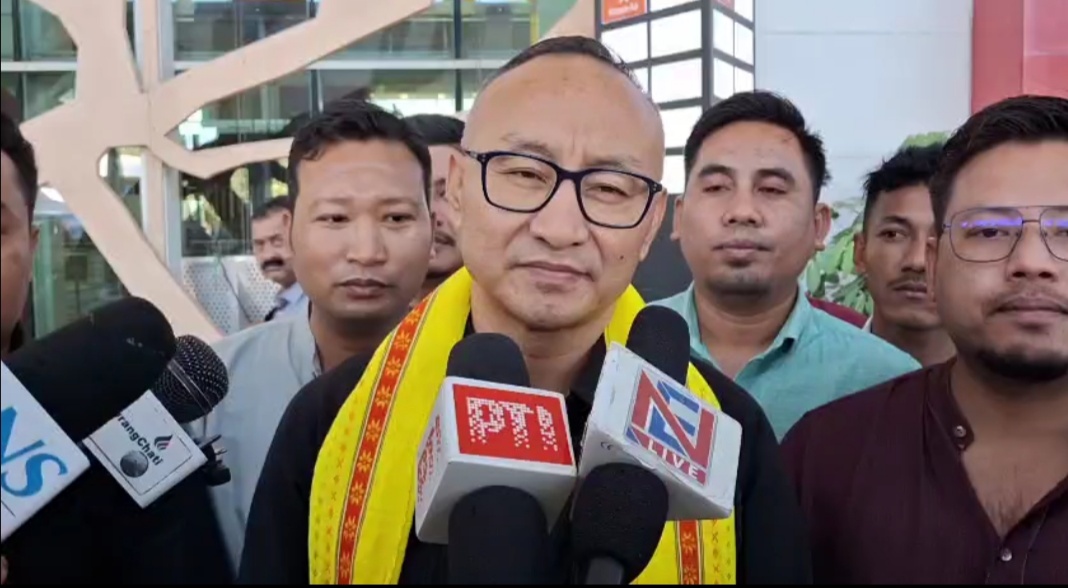
Among the leaders who landed at MBB Airport were Mmhonlumo Kikon, former Minister of Nagaland, and Hemochandra Singh, former Speaker of the Manipur Legislative Assembly. Meghalaya Chief Minister Conrad Sangma is also expected to join the rally. Tipra Motha supremo Pradyot Kishore Debbarma—one of the key architects of the platform—will share the stage with top leaders from multiple Northeastern states.
Speaking to the media after their arrival, the leaders described the initiative as a “long-awaited dream taking shape.” They said One North East seeks to bring together the voices, concerns, and movements of all Northeastern states, enabling them to present a unified stand on issues that affect the region collectively. A stronger regional voice, they added, would help address longstanding challenges that have often been overlooked due to fragmented representation.
They outlined several pressing concerns facing the region, including land rights, preservation of identity, governance gaps, and the failure of many central and state schemes to reach grassroots beneficiaries. One North East, they said, aims to bridge the gap between policymaking and implementation, ensuring that intended benefits actually reach the people.
The leaders also expressed dissatisfaction over the poor implementation of various accords, such as the Assam Accord and the recently signed Tiprasa Accord. They emphasised that only collective regional pressure on New Delhi can ensure that such agreements are honoured in full.
According to them, the upcoming rally marks the beginning of a new political chapter—one where the Northeast negotiates with stronger unity and demands timely implementation of its rights and agreements. They asserted that how New Delhi responds will shape the future of the region’s political landscape.