Kabul, Dec 8:
As Afghanistan strengthens its economic engagement with India and Central Asian nations, Pakistan faces the risk of strategic isolation, with new transit options emerging that could weaken the influence of the China-Pakistan Economic Corridor (CPEC), according to a report published on Monday.
The report noted that Afghanistan’s long-term progress will depend on sustained infrastructure development and proactive diplomatic outreach, particularly in securing sanctions relief for Iranian-linked ports.
According to Afghanistan’s leading news agency, Khaama Press, authorities in Kabul have intensified efforts to diversify trade corridors after repeated and prolonged border closures with Pakistan disrupted bilateral commerce. Key crossings such as Torkham and Chaman, which once accounted for nearly 40% of Afghanistan’s formal trade, witnessed extended shutdowns through late 2024 and into 2025 amid rising tensions over security incidents and cross-border militancy.
These closures, often lasting weeks, reportedly caused monthly losses of over USD 200 million to Afghan exporters of perishable goods such as fruits, vegetables, and dried nuts. Delays in fuel, wheat, and pharmaceutical imports also contributed to domestic inflation and periodic shortages. In response, Kabul has increasingly turned to alternative routes—including India via Iran’s Chabahar Port, expanded overland corridors with Uzbekistan, Turkmenistan, and Kazakhstan, and new air links—aimed at building a resilient, multipolar trade network.
The report further highlighted growing mistrust between Islamabad and Kabul, driven by Pakistan’s concerns over Tehreek-e-Taliban Pakistan (TTP) activities in Afghanistan and Afghan criticism of Pakistan’s tightening visa rules. Tensions escalated in October 2025 during border clashes that led to indefinite closures under counter-terrorism pretexts. Annual bilateral trade, previously valued between USD 2.5 and 3 billion, is now estimated to have fallen below USD 1 billion.
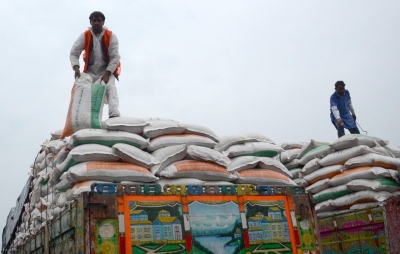
Supply shortages also drove Afghan agricultural products to fetch unusually high prices in Pakistani markets, while hundreds of cargo trucks remained stranded at border points. Analysts argue that although Pakistan aimed to pressure Kabul, the disruptions have ultimately eroded Pakistan’s influence as Afghan traders shift to more predictable—though costlier—routes.
Afghan officials estimate that non-Pakistan trade could reach USD 10 billion by 2027 if current diversification efforts continue. Policymakers believe that expanding partnerships will offer Afghanistan greater economic resilience and stability in the years ahead.