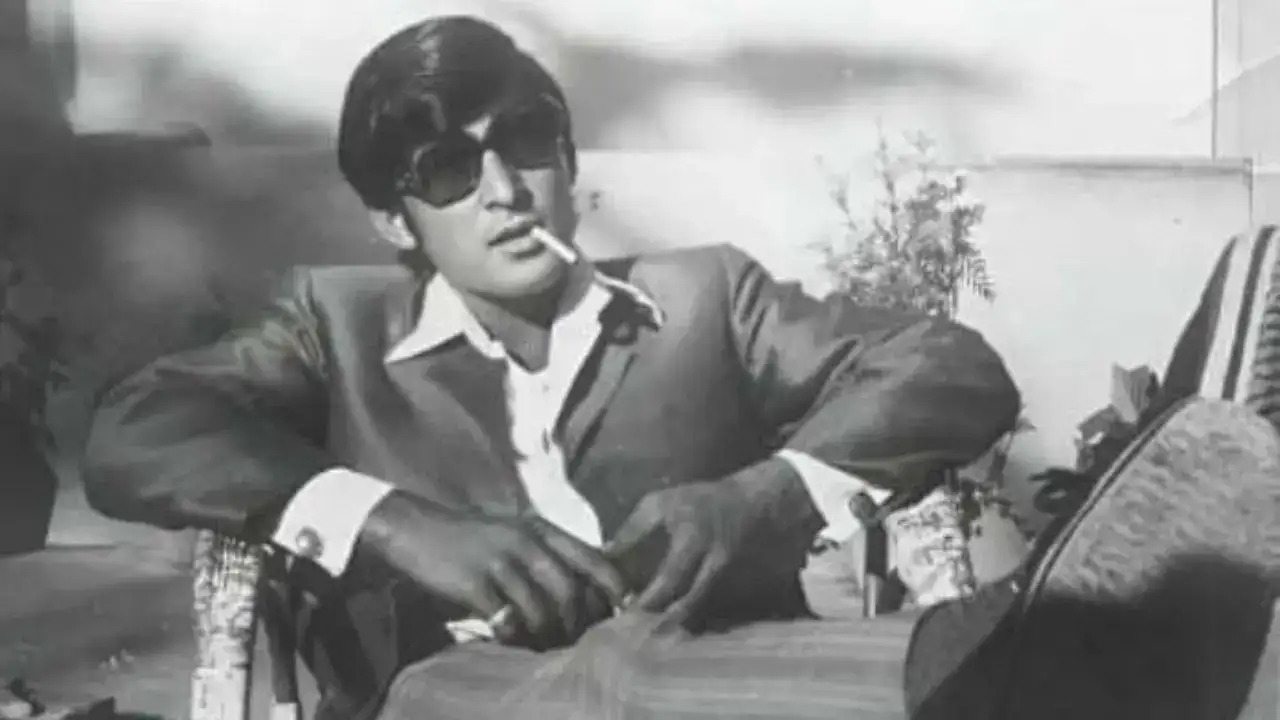
The world of real-life espionage is far removed from cinematic glamour. It is a harsh, secretive realm filled with psychological strain, loneliness, and irreversible sacrifice. One of the most compelling and heart-wrenching stories from this hidden world is that of Ravindra Kaushik, an Indian intelligence operative whose life was entirely consumed by his mission. Known by his codename “Black Tiger,” Kaushik’s journey remains one of the most daring covert operations in the history of India’s intelligence services.
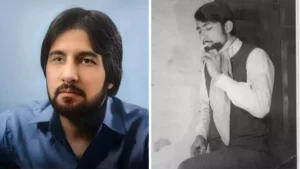
Ravindra Kaushik was born on 11 April 1952 in Sri Ganganagar, Rajasthan, a town close to the India–Pakistan border. Growing up in a region shaped by partition, wars, and political tension, Kaushik was constantly exposed to stories of hostility between the two neighboring nations. These early influences played a subtle role in shaping his worldview and sense of patriotism. Academically inclined, he completed his Bachelor of Commerce degree from S. D. Bihani P. G. College in Sri Ganganagar. Beyond studies, Kaushik was deeply passionate about theatre and acting, often participating in stage performances that showcased his confidence, adaptability, and ability to convincingly portray different roles.
It was these theatrical skills that reportedly drew the attention of officials from the Research and Analysis Wing (R&AW), India’s external intelligence agency. While some accounts suggest chance interactions led to his recruitment, others emphasize that his command over expression, language, and performance made him an ideal candidate for undercover espionage. Eventually, Kaushik was selected for one of R&AW’s most secretive missions, later referred to as Project X.
Before being deployed, Kaushik underwent nearly two years of intense and confidential training. This training went far beyond conventional intelligence techniques. He was taught fluent Urdu, familiarized with Pakistani culture, and trained in the religious practices of Islam to ensure complete authenticity. As part of his transformation, Kaushik even underwent circumcision—an irreversible step that symbolized the total erasure of his former identity. His Indian nationality was officially wiped out, and he was given a new name: Nabi Ahmed Shakir.
In November 1975, at the young age of 23, Ravindra Kaushik entered Pakistan as an undercover agent. To his family back in India, he was believed to be working a routine job in Delhi. They remained completely unaware that their son had embarked on an extraordinarily dangerous mission that would permanently separate him from his old life.
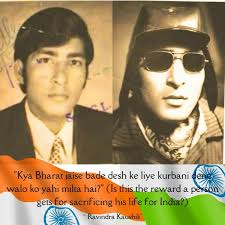
Living as Nabi Ahmed Shakir, Kaushik settled in Islamabad and gradually integrated into Pakistani society. Determined to strengthen his cover, he enrolled at Karachi University and pursued a degree in law (LLB). His intelligence, discipline, and ability to blend in allowed him to gain trust within the system. Over time, his efforts were rewarded when he secured a clerical position within the Pakistani Army—an exceptional achievement for a foreign intelligence operative working deep behind enemy lines.
From this sensitive position, Kaushik was able to pass vital information to Indian intelligence, contributing significantly to India’s understanding of Pakistan’s military structure and plans. However, this success came at an enormous personal cost. Isolated from his family, stripped of his true identity, and living under constant threat of exposure, Kaushik’s life became one of solitude and silent endurance.
Ravindra Kaushik’s story as the Black Tiger is not merely a tale of espionage, but a profound example of sacrifice. It reveals the unseen human cost behind intelligence operations and serves as a sobering reminder that true heroes often live and suffer in silence, far away from recognition and glory.