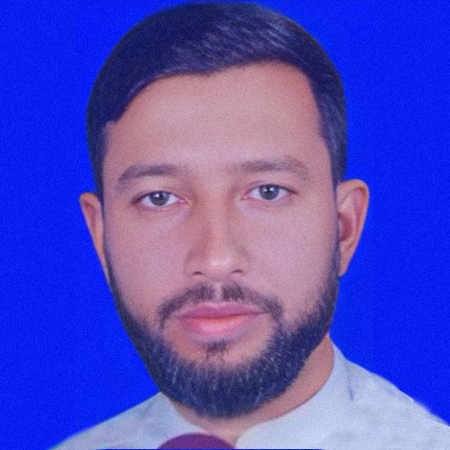
Dhaka witnessed another alarming incident of political violence on December 22 as a student leader was shot in the head amid continuing unrest following the killing of radical student leader Osman Haidi. According to local media reports, the victim has been identified as Muhammad Motaleb Shikder, a student leader of the National Citizen Party (NCP), the same organisation to which Haidi belonged.
The incident took place in Khulna at around 11:45 am when unidentified gunmen allegedly opened fire on Shikder. He was immediately rushed to a hospital for treatment. Quoting Animesh Mondol, officer-in-charge (investigation), a Bangladeshi daily reported that the bullet pierced through one side of Shikder’s ear. “He is currently out of danger,” Mondol said, adding that the student leader was being taken to a diagnostic centre for a CT scan while further investigation into the attack was underway.
The shooting of Muhammad Motaleb Shikder marks another high-profile act of violence in a country grappling with instability and bloodshed following Osman Haidi’s death. Haidi, a 32-year-old radical student leader known for his strong anti-India rhetoric, was shot dead on December 12 by masked assailants while exiting a mosque in Dhaka. His killing triggered widespread protests and unrest across Bangladesh, with reports of increased attacks and intimidation against minority communities.
The situation has gained further significance as Bangladesh prepares for its general elections, scheduled for February 2026. Analysts warn that such violent incidents could inflame tensions further, mobilising both political supporters and extremist elements, potentially worsening the security situation for minorities.
The National Citizen Party emerged last year as the first student-led political party in Bangladesh, following violent protests that led to the ouster of former Prime Minister Sheikh Hasina. Backed largely by student groups, the NCP has continued to draw attention for provocative statements and strong anti-India positions. The party is expected to contest the upcoming elections, posing a challenge to the country’s traditional political forces—the Awami League led by Sheikh Hasina and the Bangladesh Nationalist Party (BNP) led by Khaleda Zia.