
In a country as diverse as India, every state tells a different story. Nestled in the northeastern hills is Mizoram—a state often spoken of with admiration for its strong social values, deep respect for women, and a culture rooted in equality. It is frequently described as a place where women can walk home alone at midnight without fear, where gender roles are shared rather than imposed, and where dignity forms the backbone of everyday life.

One of the most striking aspects of Mizoram is the sense of safety women experience. Unlike many places where fear dictates freedom, Mizo society is known for its strong community bonds and zero tolerance toward crime, especially domestic violence. Social accountability plays a major role here—wrongdoing is not ignored, and respect for women is non-negotiable. This collective responsibility creates an environment where women feel secure not because of constant surveillance, but because of shared values.

Gender equality in Mizoram is visible from an early age. Boys grow up learning to cook, clean, and manage households just as girls do. Domestic work is not labeled as “women’s work,” but as life skills everyone must possess. This balanced upbringing helps dismantle rigid gender roles and fosters mutual respect between men and women. As adults, these values reflect in marriages, families, and workplaces.
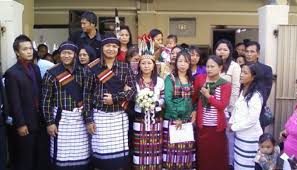
Another unique cultural practice often highlighted is the absence of the dowry system. Instead of the bride’s family bearing financial burden, Mizo custom includes a symbolic payment—traditionally around Rs 420—made by the groom’s side to the bride’s family. While modest in amount, its significance lies in reversing a practice that has harmed women across many societies. The message is clear: marriage is a partnership, not a transaction that devalues women.
Women’s economic independence is also highly visible in Mizoram. Women run shops, manage businesses, and actively participate in local markets. In many towns, women are seen confidently driving local taxis and public transport, challenging stereotypes that still persist elsewhere. Their presence in public spaces is normal, respected, and unquestioned.

Language, too, reflects equality. The Mizo language does not use gendered pronouns like “he” or “she,” subtly reinforcing the idea that gender is secondary to personhood. While language alone cannot create equality, it certainly shapes thought—and in Mizoram, it supports a culture where individuals are valued beyond gender labels.
Education plays a crucial role in sustaining these values. Mizoram boasts one of the highest literacy rates in India, and education is deeply respected. Schools emphasize discipline, ethics, and social responsibility alongside academics. This focus has helped build a society that is informed, courteous, and community-oriented.

Respect is not limited to women alone; it extends across generations. Elders are honored, children are nurtured, and community welfare often takes precedence over individual gain. Churches and local councils actively participate in social governance, reinforcing moral accountability and collective harmony.
Mizoram is not a utopia, nor is it free from challenges. However, its cultural framework offers a powerful example of how safety, equality, and respect can coexist naturally within society. In a world still struggling with gender injustice, Mizoram stands as a reminder that progress is possible when values are lived, not just spoken.
In its quiet hills and close-knit communities, Mizoram tells a powerful story—one where dignity defines daily life, and equality is not an aspiration, but a practice.