Agartala, December 12:
The recently redeveloped College Tilla Lake has once again become the centre of controversy, as reports of mass fish deaths surfaced on Thursday, intensifying concerns about alleged unplanned development under the Smart City project. Environmental groups, which had earlier protested the redevelopment of the ecologically sensitive lake, have renewed their criticism following the latest incident.
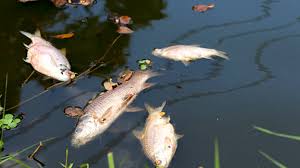
Visitors to the renovated lake and adjoining park reported spotting numerous dead fish floating across different corners of the waterbody early in the morning. A strong foul smell was also detected around the site, raising worries about deteriorating water quality. According to local environmentalists, the stagnant water has become unsuitable for aquatic life, posing a severe threat to the lake’s ecosystem.
College Tilla Lake has long been recognized as a critical ecological zone, especially during winter when large numbers of migratory birds arrive to roost. Ornithologists and bird enthusiasts frequent the site every year, documenting various exotic bird species that travel long distances to congregate in the lake. The latest development has sparked fears that the compromised water conditions may also disrupt bird habitats.
Photos and videos showing dead fish floating in the lake have gone viral on social media, prompting outrage from citizens, environmental groups and nature lovers. Many have blamed flawed planning and poor ecological assessment in the redevelopment process for the current situation.
Attempts to obtain official reactions from the Fisheries Department and Smart City authorities proved unsuccessful, as both agencies refrained from issuing any formal comment on the matter. The silence has further fueled public frustration, with many demanding immediate investigation and corrective action to restore the lake’s ecological balance.
Environmental activists are calling for accountability, stating that the incident highlights the urgent need for sustainable planning and scientific monitoring of urban redevelopment projects involving natural water bodies.