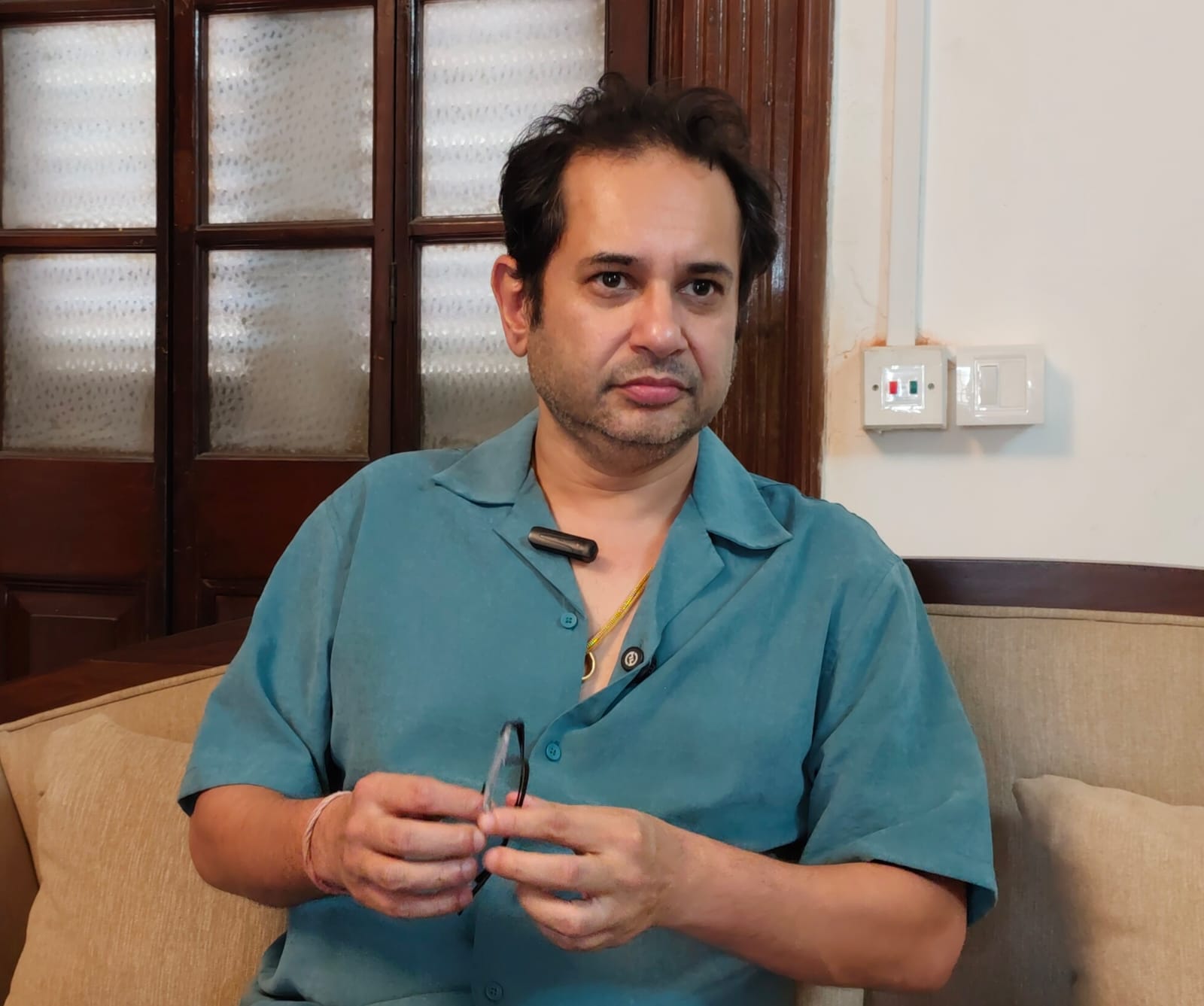
Agartala, March 23: Ending weeks of speculation, TIPRA Motha Party founder Pradyot Kishore Debbarma on Monday firmly ruled out any electoral alliance with the ruling Bharatiya Janata Party (BJP) for the upcoming Tripura Tribal Areas Autonomous District Council (TTAADC) elections, asserting that his party will remain committed solely to the interests of the Tiprasa community.
Addressing supporters through a social media live session from Delhi, Debbarma made it clear that without visible and concrete progress on the commitments made under the Tiprasa Accord signed two years ago, there is no scope for any political understanding. He stressed that mere assurances without implementation would not be acceptable, effectively dismissing the possibility of any backchannel negotiations.
Positioning the April 12 TTAADC polls as a decisive political battle, Debbarma framed the election as a referendum on indigenous rights, identity, and the future of the Tiprasa people. The council, which governs nearly 70 percent of Tripura’s geographical area, is widely seen as a crucial indicator ahead of the 2028 Assembly elections.
Adopting a resolute tone, Debbarma—also the scion of Tripura’s royal family—declared that he would neither “bow down” nor “compromise,” despite mounting criticism in recent months. He reiterated that his primary allegiance lies with the people, not political alliances, and said that the party’s strength would ultimately be reflected through the ballot.
In a broader appeal, he called for unity among Tiprasa voters across party lines, including supporters of the BJP, CPI(M), Congress, and IPFT. At the same time, he cautioned against internal divisions and any form of violence, urging people to express their grievances through democratic means.
Expressing confidence in TIPRA Motha’s prospects, Debbarma said that growing public support—especially from economically weaker sections—would outweigh the influence of money and political power. With the alliance question now settled, the TTAADC elections are set for a multi-cornered contest, turning the tribal belt into a key political battleground.