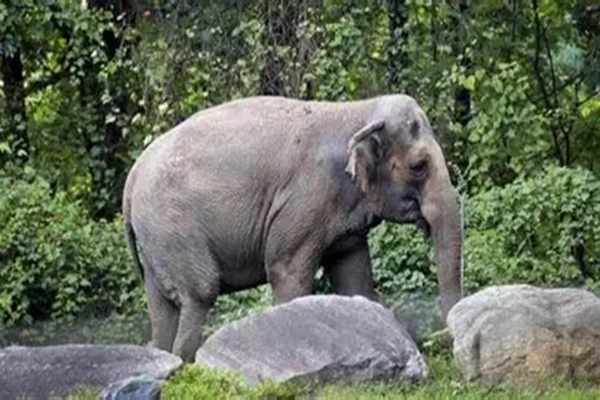
In a significant move aimed at strengthening wildlife protection, State Forest Minister Animesh Debbarma announced that the Tripura government will construct four dedicated elephant passes at Mungiakami in Khowai district. The proposed initiative seeks to facilitate the safe and uninterrupted movement of elephant herds along the Atharamura foothills, a region officially recognised as an elephant corridor.
The decision comes in the wake of two tragic incidents in 2024 in which elephants were fatally struck by speeding trains while crossing railway tracks in the area. The deaths had sparked concern among conservationists and local communities, highlighting the pressing need for effective safeguards in zones where expanding infrastructure intersects with natural wildlife habitats.
Speaking to reporters, Debbarma said that a Detailed Project Report (DPR) for the construction of the elephant passes is currently under preparation. “We are focusing on constructing at least four elephant passes at Mungiakami to ensure free and safe movement of elephant herds,” he stated. He further indicated that the number of passes could be increased in the future, depending on necessity and expert recommendations.
The minister emphasised that the Forest Department is committed to adopting long-term, science-based measures to reduce human-animal conflict and prevent further casualties. He underscored the importance of integrating wildlife protection mechanisms into all upcoming infrastructure projects, including railway lines and highways.
According to Debbarma, discussions are already underway with executing agencies and coordination efforts have begun with the Ministry of Environment, Forest and Climate Change to ensure that development initiatives are aligned with ecological preservation goals. He stressed that sustainable growth must strike a balance between modern infrastructure needs and environmental conservation.
Earlier in the day, the minister inaugurated a workshop on “Human-Animal Interaction,” where he highlighted the broader ecological implications of habitat disruption. “If the wild is affected, the entire ecological balance will be harmed,” he cautioned, urging stakeholders to prioritise conservation planning.
The proposed elephant passes are expected to serve as critical corridors that allow herds to cross safely without encountering railway tracks or vehicular traffic. Conservationists have welcomed the initiative, describing it as a proactive and necessary step to safeguard Tripura’s elephant population while addressing the growing challenges of coexistence between humans and wildlife.
The project marks a renewed commitment by the state government to protect biodiversity while pursuing infrastructure development responsibly.