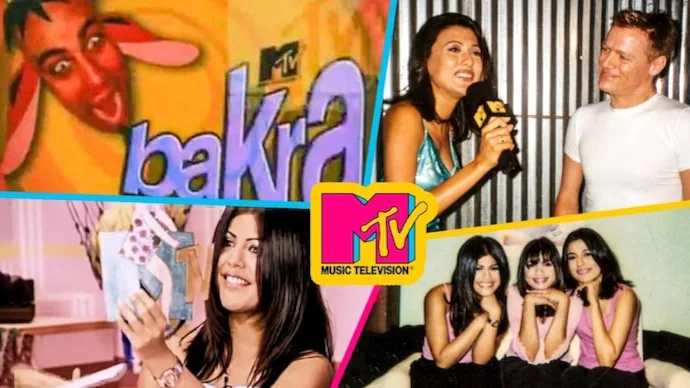
MTV shutting down feels personal. For 90s kids, it’s not just another media headline—it’s a heartbreak wrapped in nostalgia. The renewed conversation around MTV comes amid reports of restructuring and the shutdown of several linear TV channels globally under Paramount Global, its parent company. As media companies pivot aggressively toward digital-first strategies, traditional music television—once MTV’s backbone—has steadily slipped into irrelevance.
In India, MTV had already drifted far from its original identity. It evolved from a pure music channel into a hub for reality shows and youth-focused formats. Yet even that wasn’t enough. Younger audiences now discover music, pop culture, and celebrities through YouTube, Instagram, Spotify, and short-video platforms. In this landscape, the idea of scheduled music television feels almost ancient.
MTV didn’t vanish overnight. It faded slowly, quietly—almost politely. And maybe that’s why the news feels so unsettling. It confirms what many of us already sensed: an entire era has officially ended.
There was a time when discovering music required patience. You waited for your favourite song. You sat through tracks you didn’t like, through ads you tolerated. And when *that* video finally played, it felt like a small, personal victory. There was no rewind, no replay, no algorithm deciding for you. MTV taught us how to wait—and how to enjoy the reward.
It also introduced Indian teenagers to global pop culture long before it was mainstream or even socially accepted. Through MTV, we met Michael Jackson, Madonna, Britney Spears, Backstreet Boys, and Eminem—artists who shaped our tastes long before playlists and recommendations existed.
For many middle-class Indian households, MTV was the first international channel that felt accessible, exciting, and truly youth-owned. Its silence today isn’t just about television changing—it’s about growing up, and realizing some things don’t come back.