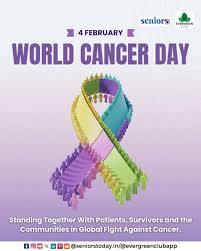
Observed every year on February 4, World Cancer Day stands as a powerful global movement dedicated to raising awareness, inspiring action, and strengthening the fight against one of the world’s most complex health challenges. More than a symbolic observance, the day represents hope, solidarity, and a shared commitment to reduce the burden of cancer and improve the lives of those affected by it.
Cancer does not discriminate. It touches people across all ages, regions, and socio-economic backgrounds. Despite major advancements in medical science, cancer continues to claim millions of lives annually. However, research shows that a significant proportion of cancers are preventable, and many more are treatable when detected early. World Cancer Day reinforces a crucial truth: informed choices, timely care, and equitable access can save lives.
At the heart of World Cancer Day is awareness. Lack of information often leads to delayed diagnosis, fear, and stigma. By spreading knowledge about early warning signs, risk factors, and the importance of regular screenings, communities can empower individuals to take control of their health. Simple steps such as avoiding tobacco, maintaining a balanced diet, staying physically active, limiting alcohol consumption, and protecting against harmful environmental exposures can significantly reduce cancer risk.
Early detection remains one of the strongest weapons against cancer. Cancers such as breast, cervical, prostate, colorectal, and oral cancer have higher survival rates when diagnosed early. World Cancer Day highlights the need for accessible screening programs and public education, particularly in underserved regions where healthcare infrastructure is limited. Detecting cancer early not only increases survival chances but also reduces the emotional and financial strain on patients and families.
Another vital theme of World Cancer Day is equity in cancer care. While medical breakthroughs have transformed cancer treatment, these advances are not equally available to everyone. Many people face barriers such as high treatment costs, lack of nearby healthcare facilities, or social discrimination. The global campaign urges governments and institutions to invest in universal healthcare, improve cancer care systems, and ensure that no one is denied treatment due to where they live or what they earn.
World Cancer Day also honors the human side of cancer. Behind every statistic is a person with dreams, responsibilities, and loved ones. The day recognizes the bravery of patients battling the disease, the strength of survivors, and the unwavering support of caregivers and healthcare professionals. Sharing stories of struggle and survival helps break the silence around cancer, replacing fear with understanding and compassion.
Research and innovation play a critical role in the ongoing fight against cancer. World Cancer Day encourages continued investment in scientific research, improved diagnostic tools, and more effective, patient-centered treatments. Equally important is the integration of mental health support and palliative care, ensuring dignity and quality of life at every stage of the cancer journey.
Ultimately, World Cancer Day is a reminder that cancer is a collective responsibility. Individuals can contribute by adopting healthy lifestyles, participating in screenings, supporting awareness campaigns, and showing empathy toward those affected. Organizations and governments must collaborate to create policies that prioritize prevention, early detection, and accessible care.
In conclusion, World Cancer Day is not just about recognizing the challenge of cancer—it is about reaffirming our commitment to fight it together. Through awareness, action, compassion, and unity, the world can move closer to a future where cancer no longer defines lives, and where hope, care, and resilience lead the way.