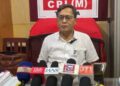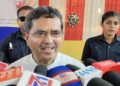
The 72-hour strike called by former members of the now-disbanded militant outfits National Liberation Front of Tripura (NLFT) and All Tripura Tiger Force (ATTF) is likely to be withdrawn following a crucial meeting with Tripura Tribal Welfare Minister Bikash Debbarma on Thursday.
The meeting, held at the Civil Secretariat in Agartala, was attended by leaders of the surrendered militant groups, senior government officials, and representatives from the police and Tribal Welfare departments. Discussions centered on the implementation of commitments made under the Memorandum of Settlement signed between the Centre, the Tripura government, and the former militant groups on September 4, 2024.
Speaking to reporters after the meeting, NLFT leader Prasenjit Debbarma described the talks as constructive and said several of their demands had received a positive response from the government. However, he noted that some issues still require clarification.
“We have been requested to withdraw the strike as it would affect normal public life. We will discuss the matter internally before taking a final decision,” he said, adding that no unilateral decision could be made without consulting the committee representing the surrendered groups.
The strike was scheduled to begin on June 12, with road and rail blockades planned in Khowai and Teliamura. Former militants had announced the agitation alleging delays in the implementation of a Rs 250-crore rehabilitation and development package promised under the settlement agreement.
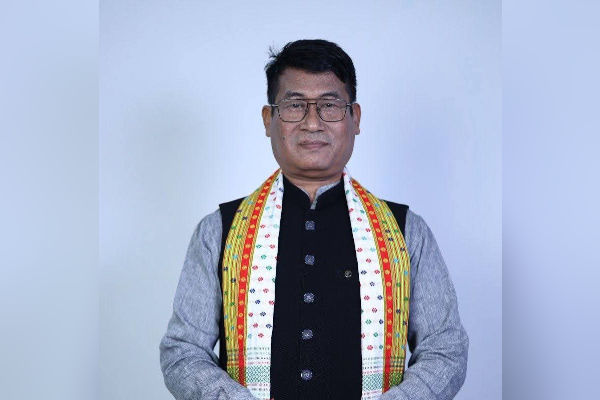
Tribal Welfare Minister Bikash Debbarma expressed optimism that the strike would be called off. He said the government was positively considering most of the demands and that Chief Minister Dr. Manik Saha, currently in Delhi, had been kept informed of the developments.
The Minister also confirmed that the Rs 250-crore rehabilitation package had already been sanctioned and that project proposals from the former militants were now awaited for fund disbursement.
The surrendered groups have alleged that delays in rehabilitation measures have caused severe hardships, including lack of livelihood opportunities and healthcare support. They claim that eight former cadres have died during the intervening period due to inadequate assistance.