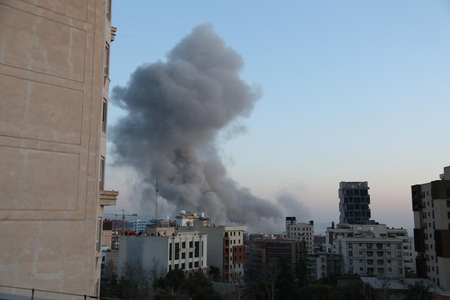
Tehran, March 8: Iran on Sunday declared that it will continue exercising what it described as its right to self-defence until alleged military aggression by the United States and Israel ceases or the United Nations Security Council formally identifies the parties responsible under international law.
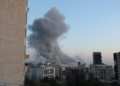
In a statement issued by the Iranian Ministry of Foreign Affairs, Tehran claimed that joint military attacks by the US and Israel began on February 28 with the killing of Supreme Leader Ayatollah Ali Khamenei and several senior Iranian officials. The ministry alleged that the strikes have since continued across the country, targeting both military and civilian infrastructure.
According to the statement, facilities such as schools, hospitals, sports centres, residential buildings and public service institutions have been hit in the attacks. Iran described the actions as a “flagrant violation” of its sovereignty and territorial integrity and said they breached fundamental principles of international law.
Tehran stated that its response was based on its “inherent right to self-defence” under Article 51 of the United Nations Charter. It said defensive operations would continue until the attacks end or until the UN Security Council fulfils its duty under Article 39 by identifying and naming the aggressors and determining their responsibilities.
The foreign ministry also referred to earlier communications with the UN Security Council, emphasising that international law prohibits states from allowing their territory to be used to launch attacks against another country.
Citing UN General Assembly Resolution 3314, which defines acts of aggression, Iran said a state could be considered responsible if it allows its territory to be used by another country to carry out military aggression against a third state.
The statement warned that countries permitting such actions could face international legal responsibility, including potential compensation for damages.
At the same time, Tehran said it remains committed to maintaining constructive relations with neighbouring countries and stressed that its military responses are not directed against regional states but against facilities it considers sources of the alleged attacks.