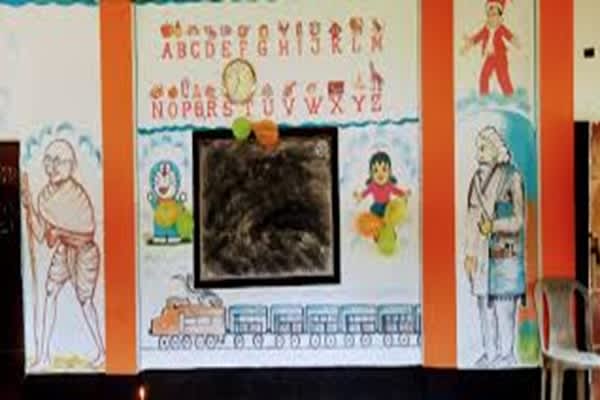
In a significant move aimed at modernizing early childhood education and preparing students for future academic and professional opportunities, the Tripura Government has announced the conversion of ten Anganwadi centres in South Tripura district into English-medium institutions. The initiative is being implemented jointly by the Department of Social Welfare and the School Education Department as part of broader efforts to improve educational standards and expand learning opportunities for children from an early stage.
Officials associated with the project confirmed that the decision has already been finalized and preparations are progressing rapidly. The initiative is expected to introduce a new approach to early education, particularly in rural and semi-urban areas, by giving children greater exposure to English at the foundational level.
As part of the implementation process, teachers selected for these centres have already participated in a one-day orientation and training programme designed to help them adapt to the new teaching system and medium of instruction. Authorities stated that only Anganwadi centres with graduate-level teachers have been selected during the initial phase to ensure that quality education standards are maintained.
The ten centres chosen for transformation are spread across different regions of South Tripura district. Two centres have been selected in Rupaicherra, while one centre each has been identified in Jolaibari, Satchand, Rishyamukh, Sabroom Nagar Panchayat, and Raj Nagar. In addition, two centres from Belonia town and one centre under the Bokafa Integrated Child Development Services (ICDS) project have also been included under the initiative.
Officials said the upgraded centres are expected to begin functioning from June this year. The move is being seen as a major step in Tripura’s educational reform agenda, particularly in strengthening early childhood learning systems.
Authorities believe that introducing English-medium instruction at the Anganwadi level will help children develop language skills at a young age and create a stronger educational foundation. The initiative is also expected to improve students’ competitiveness in higher education and future career opportunities, while reducing the educational gap between urban and rural areas of the state.