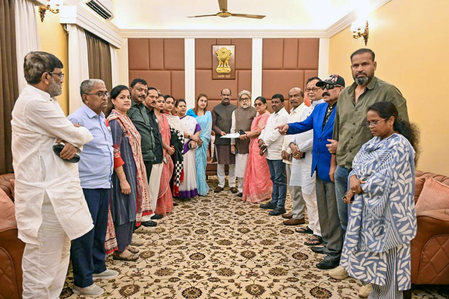
Agartala :June 15:The decision of rebel Trinamool Congress (TMC) MPs to join the Tripura-based Nationalist Citizens Party of India (NCPI), instead of attempting to seize control of the party’s Parliamentary wing in the Lok Sabha, has sparked intense political debate. Political observers and legal experts believe that constitutional hurdles within the TMC and broader political calculations influenced the shift in strategy.
According to analysts, the first major factor was the structure of the Trinamool Congress constitution filed with the Election Commission of India (ECI). Both the original and amended versions of the party constitution vest ultimate authority in organisational bodies rather than elected representatives.
While the original constitution recognised the state executive committee as the highest decision-making body, subsequent amendments elevated the national working committee—effectively controlled by party chief Mamata Banerjee and, indirectly, by General Secretary Abhishek Banerjee—as the supreme authority.
Political observers argue that this organisational framework would have made it extremely difficult for rebel MPs, even if they commanded a majority within the Lok Sabha Parliamentary party, to claim control over the party organisation, election symbol, or financial assets.
“Since the party’s key decision-making structures remain firmly under the control of Mamata Banerjee and Abhishek Banerjee, the rebels had little chance of gaining complete control of the party. Joining another political outfit became a more practical option,” a Kolkata-based political analyst said.
Meanwhile, CPI(M) Rajya Sabha MP and senior advocate Bikas Ranjan Bhattacharya alleged that the developments were part of a larger political strategy involving the BJP. Referring to meetings between rebel MPs and Union Minister Bhupendra Yadav in New Delhi, Bhattacharya claimed the BJP’s objective was to secure support from the dissident MPs during crucial parliamentary votes.
Observers also point to Mamata Banerjee’s swift organisational response following the emergence of a rebel bloc among TMC legislators in the West Bengal Assembly. By dissolving existing party committees and reconstituting them with loyalists, she ensured continued control over the party machinery despite challenges within legislative forums.
As a result, while rebels may have gained numerical strength in legislative bodies, the party’s organisational command remains firmly with the Ba
nerjee leadership.