Agartala: Oct 25: The College of Agriculture, Tripura emphasizes the implementation of scientific methods for the cultivation of Pigeonpea, aiming to improve productivity and sustainability within the current cropping system in the region.
About the Centre:
AICRP on Pigeonpea started its journey as subcentre at College of Agriculture, Tripura, Lembucherra, West Tripura during 2009 and upgraded to one of the main centres of India during 2014-15. From then the Tripura centre is actively engaged in pigeonpea and other pulses research and extension to aware, promote and introduce the non-traditional crop in the cropping system of the region for food security and upliftment of the farming community. Now renamed as AICRP on Kharif Pulses (Pigeonpea) headquartered at ICAR-Indian Institute for Pulses Research, Kanpur (U.P.).
About the crop:
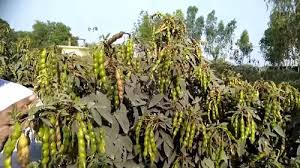
Arhar, also known as pigeonpea (Cajanus cajan), is a significant pulse crop in India, known for its nutritional value and role in sustainable agriculture. This overview covers essential aspects of scientific and commercial cultivation of arhar dal, including soil preparation, sowing techniques, nutrient management, pest and disease control, irrigation, and post-harvest handling.
Land preparation
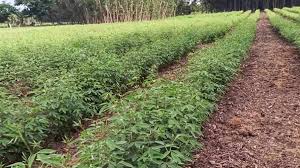
Land preparation is a crucial step in successful arhar dal cultivation in high rainfall areas. Tillage practices involve deep ploughing followed by harrowing to create a fine seedbed. This improves soil aeration and enhances water infiltration, crucial for the young seedlings. Ridge and furrow system of seedbed is followed by sowing arhar seeds in ridges to avoid water stagnation.
Farmers are encouraged to incorporate green manures or legumes into the soil to improve fertility and structure. At College of Agriculture, Tripura soil testing is conducted to assess pH, nutrient levels, and organic matter content. The ideal pH for Arhar dal is between 6.0 and 7.5. Based on test results, amendments such as lime for acidity correction or organic compost for nutrient enrichment are recommended.
Sowing Techniques
The optimal sowing time for Arhar dal in Tripura is during the monsoon season, typically from June to July, ensuring adequate moisture for germination. College of Agriculture, Tripura advocates the use of high-yielding and disease-resistant varieties, which are crucial for maximizing production and minimizing crop losses.
Seed rate recommendations are typically around 15-20 kg per hectare, with proper spacing between rows (60-90 upto 120 cm) and plants (20-30 cm) to ensure healthy growth and air circulation. The college emphasizes direct seeding methods, which are efficient and reduce the risk of soil erosion, as it is a deep-rooted crop.
Intercropping with arhar, as a main crop, is a profitable venture. With a wider spacing of 90 to 120 cms between pigeonpea crop, ensures proper land utilization and additional benefit through intercrop (blackgram, greengram, groundnut, seasame and other summer and rainy season vegetables) throughout the season. Intercropping with cereals like maize or sorghum is also encouraged as it can enhance soil fertility through nitrogen fixation. The inclusion of legumes in crop rotations also helps maintain soil health and reduce the need for chemical fertilizers.
Nutrient Management
Effective nutrient management is essential for the growth of Arhar dal. The college promotes a balanced fertilization approach, combining organic and inorganic sources. Farmers are advised to apply well-decomposed farmyard manure (FYM) or compost before sowing. Based on soil tests, a targeted application of nitrogen (N), phosphorus (P), and potassium (K) is recommended, often in the ratio of 25:60:40 kg/ha.
Pest and Disease Management
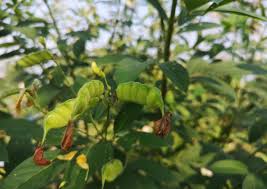
Pest and disease management is critical in ensuring a healthy crop. Common pests affecting arhar include pod borers and aphids, while diseases like Phytophthora stem blight (PSB), leaf blight, wilt and root rot can severely impact yield. College of Agriculture, Tripura emphasizes integrated pest management (IPM) practices, which combine biological control, cultural practices, and the judicious use of pesticides.
Regular monitoring of pest populations and crop health is essential. Farmers are trained to recognize early signs of infestations and employ resistant varieties and biopesticides. Crop rotation and intercropping also play vital roles in minimizing pest incidence and disease outbreaks.
Irrigation Practices
Arhar is a drought-tolerant crop but requires adequate moisture during critical growth stages, especially flowering and pod filling. Right time of sowing is the key success to pigeonpea cultivation ensuring to harvest maximum rainfall during vegetative stage and solar radiation during pod ripening stage. Farmers are encouraged to practice rainwater harvesting and use mulching to reduce soil evaporation and maintain moisture levels in the soil.
Post-Harvest Handling
Post-harvest management is crucial for maintaining the quality of Arhar dal. The timing of harvest is essential; pods should be harvested when they turn dark brown to black and seeds are hard. Proper drying in sunlight is recommended to reduce moisture content for safe storage. The Agriculture College emphasizes good storage practices to prevent pest infestations and spoilage. Use of airtight containers and periodic monitoring of stored produce is advised to ensure long-term quality.
Conclusion
College of Agriculture, Tripura plays a pivotal role in promoting sustainable and scientific cultivation practices for Arhar dal. By focusing on soil health, effective nutrient management, pest control, and post-harvest techniques, the college aims to enhance productivity while ensuring environmental sustainability. Through research and extension services, they support local farmers in adopting these practices, ultimately contributing to food security and economic stability in the region.