Agartala, April 30: A one-day special session of the Tripura Legislative Assembly on Thursday witnessed intense political exchanges before the House passed a Motion supporting women’s reservation. While the resolution found backing across the aisle in principle, sharp divisions emerged over its intent, timing, and constitutional implications.
Chief Minister Manik Saha described the outcome as “positive,” noting that more than 25 members from both treasury and opposition benches took part in the discussion. He said the initiative, aligned with the Nari Shakti Vandan framework, aims to ensure 33 per cent reservation for women in legislative bodies and strengthen their role in governance. Saha also took a swipe at opposition parties at the national level, alleging that they had previously obstructed the passage of the legislation in Parliament for political reasons. He expressed confidence that the Centre under Prime Minister Narendra Modi would implement the policy nationwide.
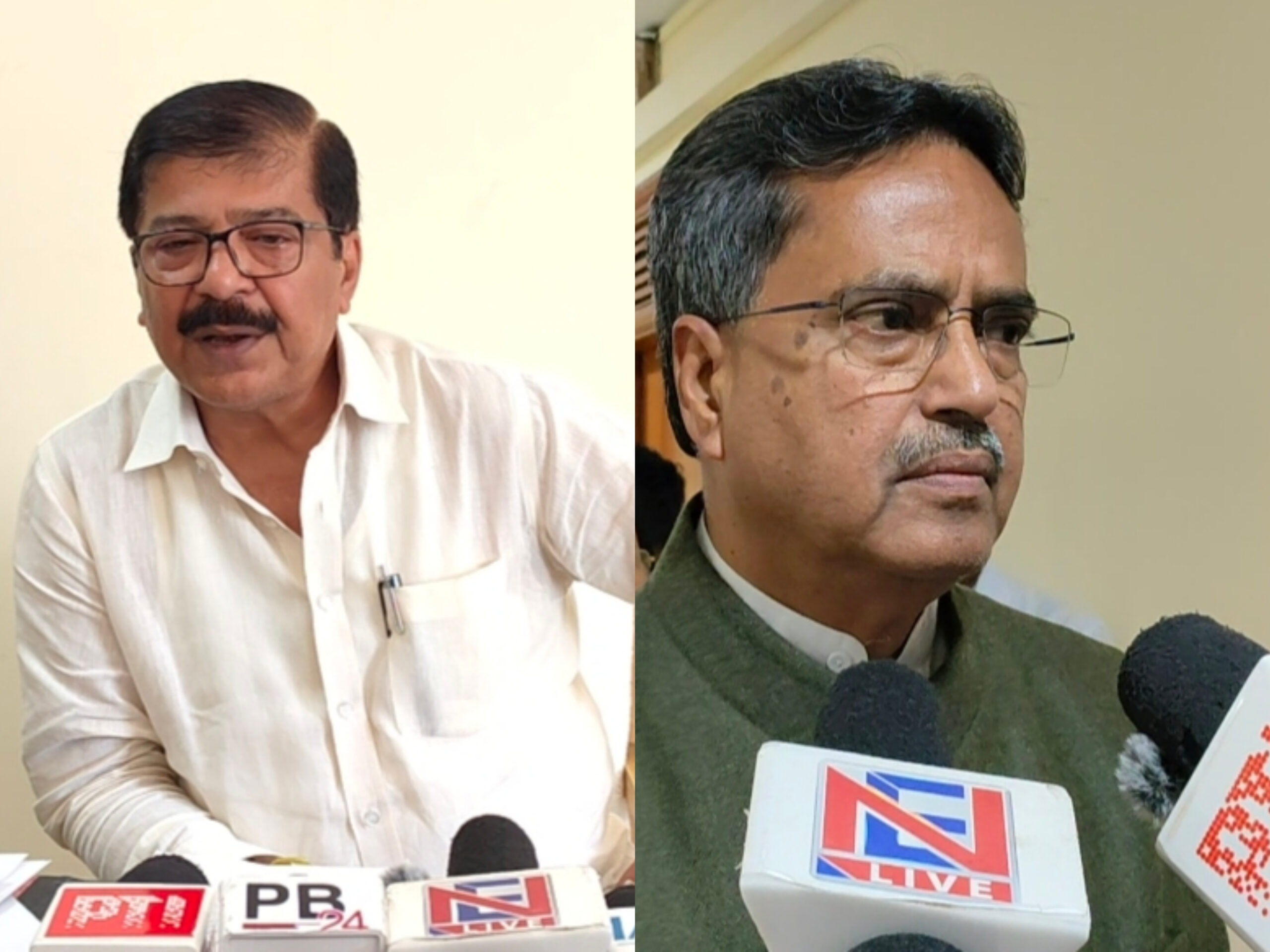
However, Leader of the Opposition Jitendra Chaudhury of the CPI(M) questioned the necessity of convening a special session for the Motion. He termed the move politically motivated, arguing that it was aimed more at shaping a narrative against the Opposition than addressing any immediate legislative requirement. Chaudhury criticised the state government for what he described as “symbolic politics.”
The Congress also strongly contested the ruling party’s claims, rejecting the suggestion that it had opposed the Women’s Reservation Bill. Senior Congress leader Sudip Roy Barman asserted that the party had supported the legislation when it was passed in Parliament in 2023. He clarified that the party’s concerns relate to the proposed delimitation exercise and the expansion of Lok Sabha seats, which could potentially disturb the constitutional principle of equitable representation.
Citing constitutional provisions, including Articles 81 and 82, Congress leaders warned that population-based seat allocation and periodic readjustment must remain central to any delimitation process. They cautioned that disparities in constituency sizes across states already challenge the principle of “one person, one vote,” and any politically driven changes could further strain the federal balance.
With the Motion adopted, the session highlighted both a broad consensus on enhancing women’s political representation and deep disagreements over the path to achieving it.