Manik Saha on Thursday alleged that the Opposition INDIA bloc obstructed the passage of the Constitution (131st Amendment) Bill, 2026, which proposed 33 per cent reservation for women in legislative bodies. He also pointed to what he described as a recurring pattern of political violence in the state following the recently concluded TTAADC elections.
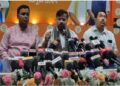
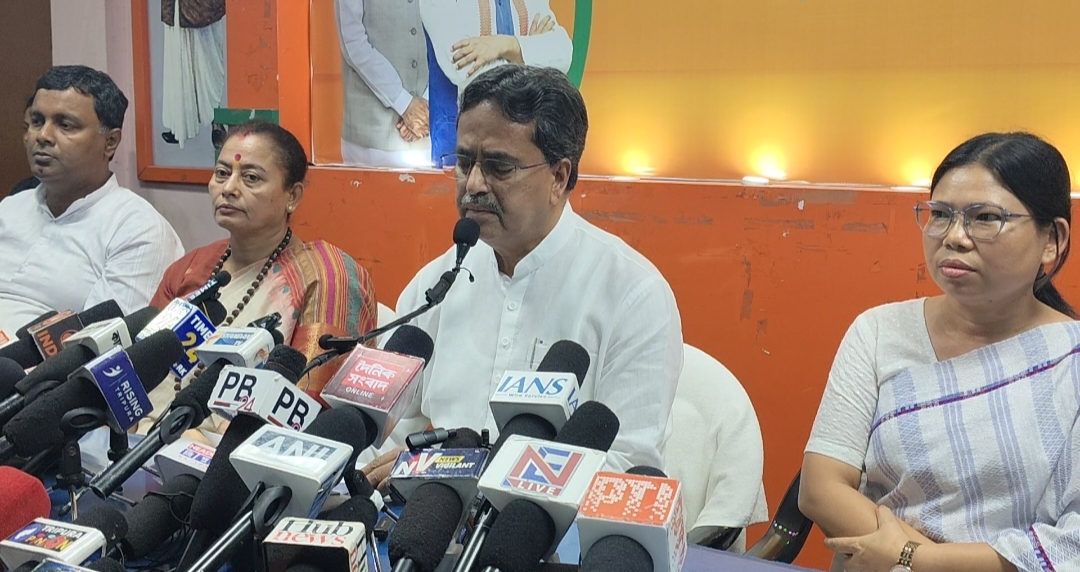
Addressing a press conference at the Bharatiya Janata Party state headquarters in Agartala, the Chief Minister said the Bill’s inability to pass in the Lok Sabha on April 17 reflects, in his view, the Opposition’s “anti-women stance.” He specifically referred to the Indian National Congress and the Communist Party of India (Marxist), alleging that their position had weakened efforts to improve women’s representation in governance. Several women ministers and MLAs were present during the briefing.
Saha also raised concerns about the post-election situation in tribal areas, alleging that the TIPRA Motha has adopted methods similar to earlier political regimes in the state. He claimed that incidents of intimidation and violence are part of a long-standing pattern that tends to surface during electoral cycles.
Referring to past elections, the Chief Minister said such disturbances have been observed since the early 2000s, often beginning before polling, continuing during elections, and extending even after results are declared. He drew parallels with political developments in West Bengal, suggesting that similar structured approaches are sometimes used to influence electoral outcomes.
Saha further stated that the state government is undertaking administrative reforms and working to expand its political outreach. He added that efforts to induct members from other political parties into the BJP may have contributed to tensions in certain areas.
While acknowledging that a few isolated incidents of unrest have occurred despite preventive measures, he maintained that law enforcement agencies have acted swiftly to control the situation. He also pointed out that election-related tensions are not unique to Tripura and are being reported in other states as well.
Concluding his remarks, Saha emphasized that while intelligence inputs and advance planning are essential, they alone cannot fully prevent such situations, underlining the need for continuous vigilance and coordinated administrative response.